Performance at Mudeung Mountain, Gwangju, 2007
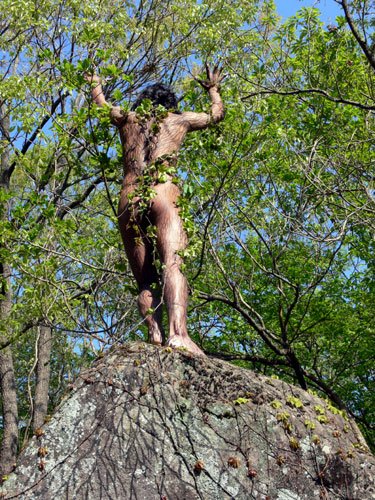
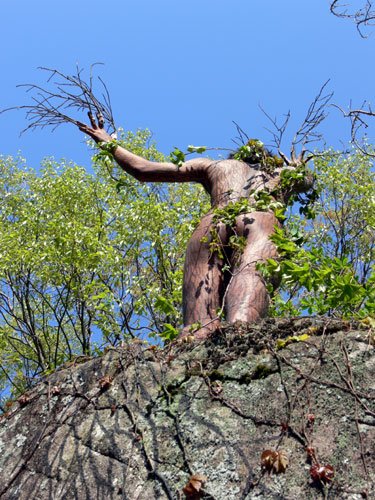
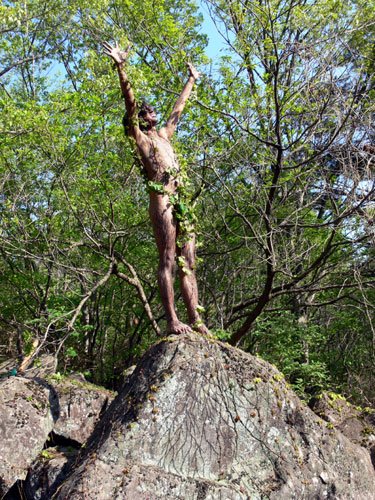
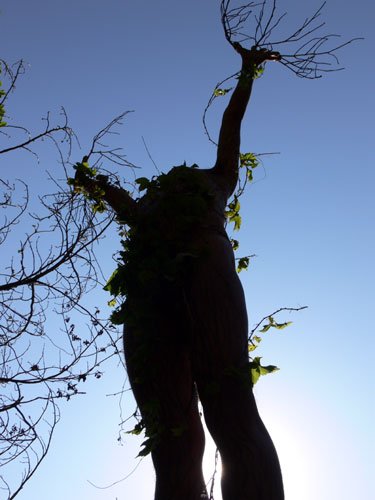
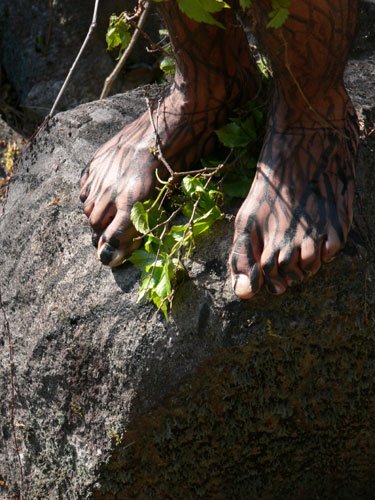
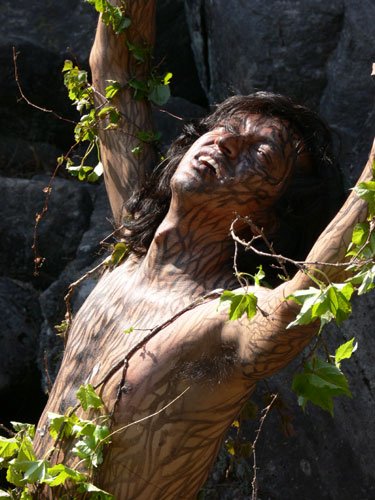
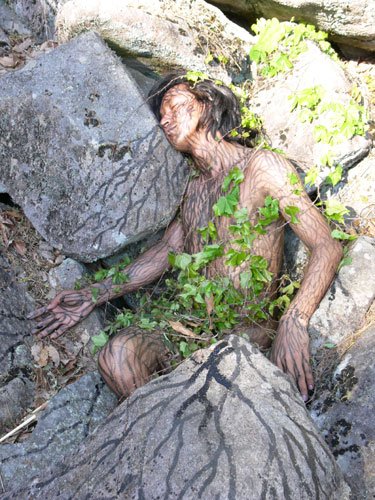
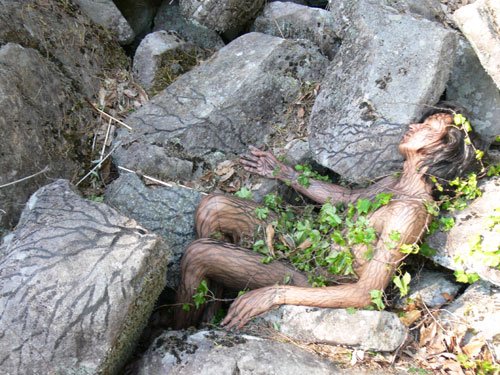
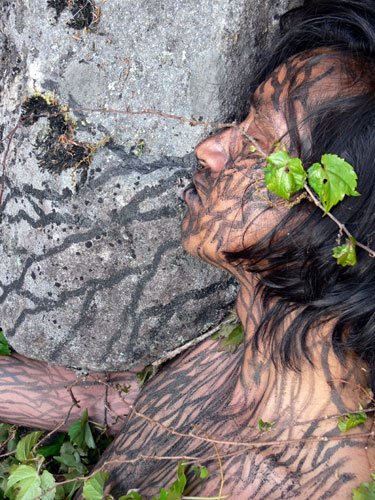
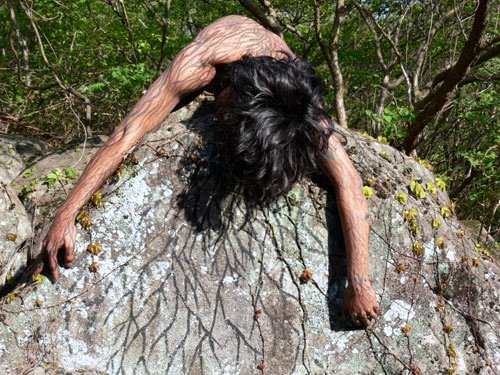
Searching for the mystery of Happiness-1
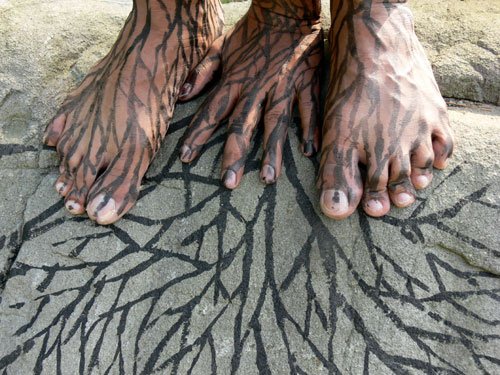
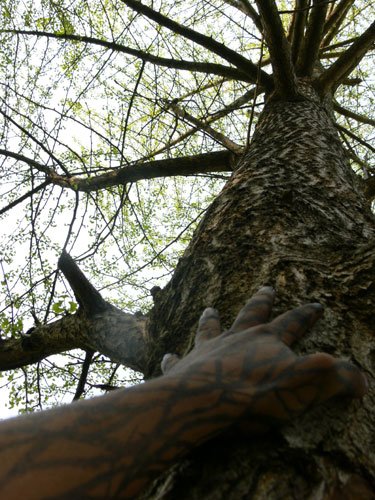
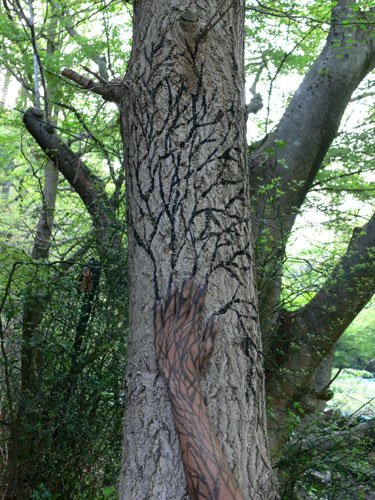
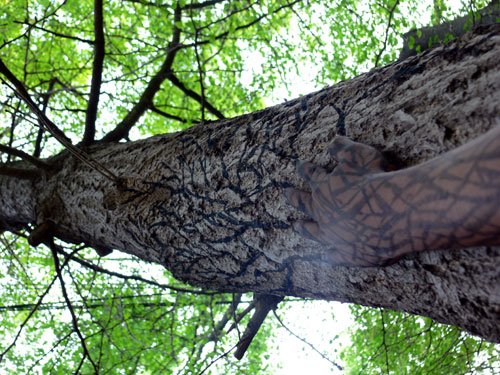
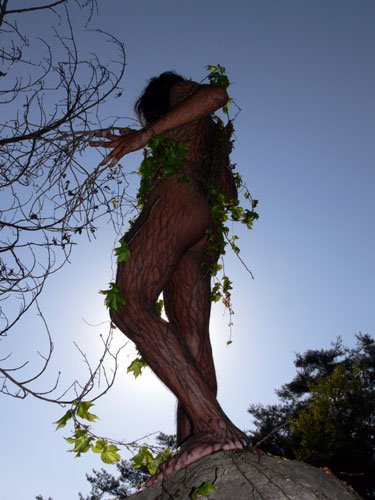
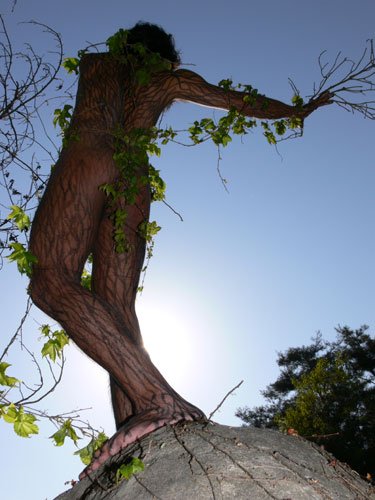
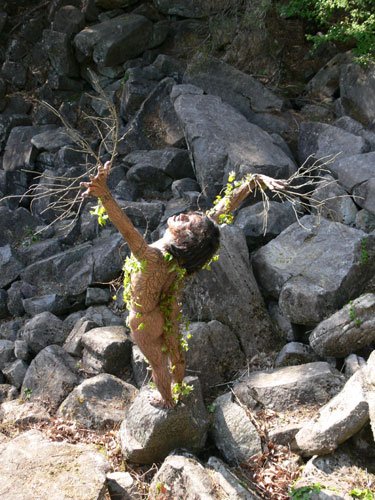
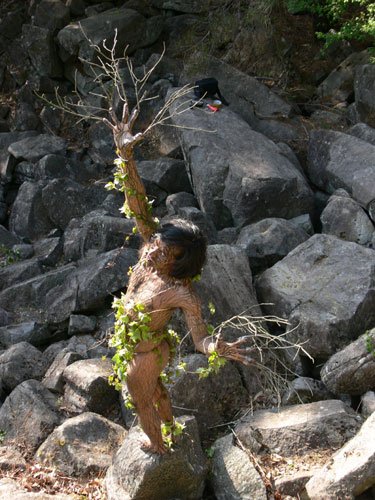
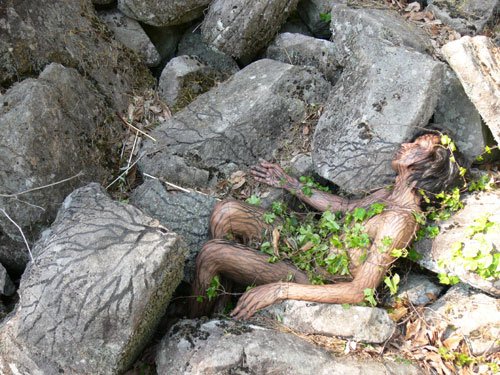
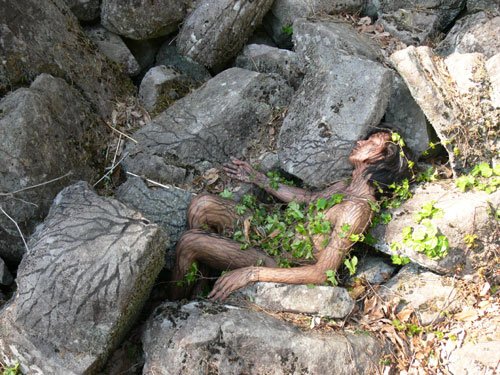
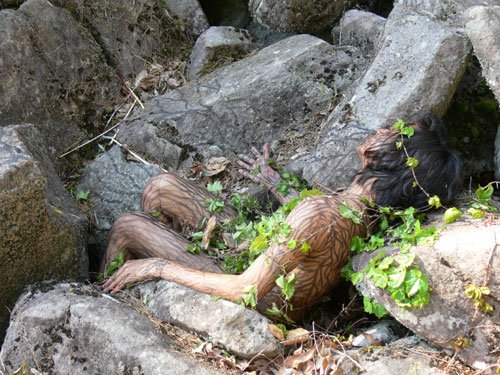
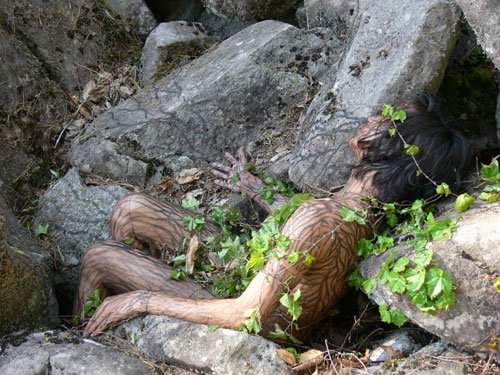
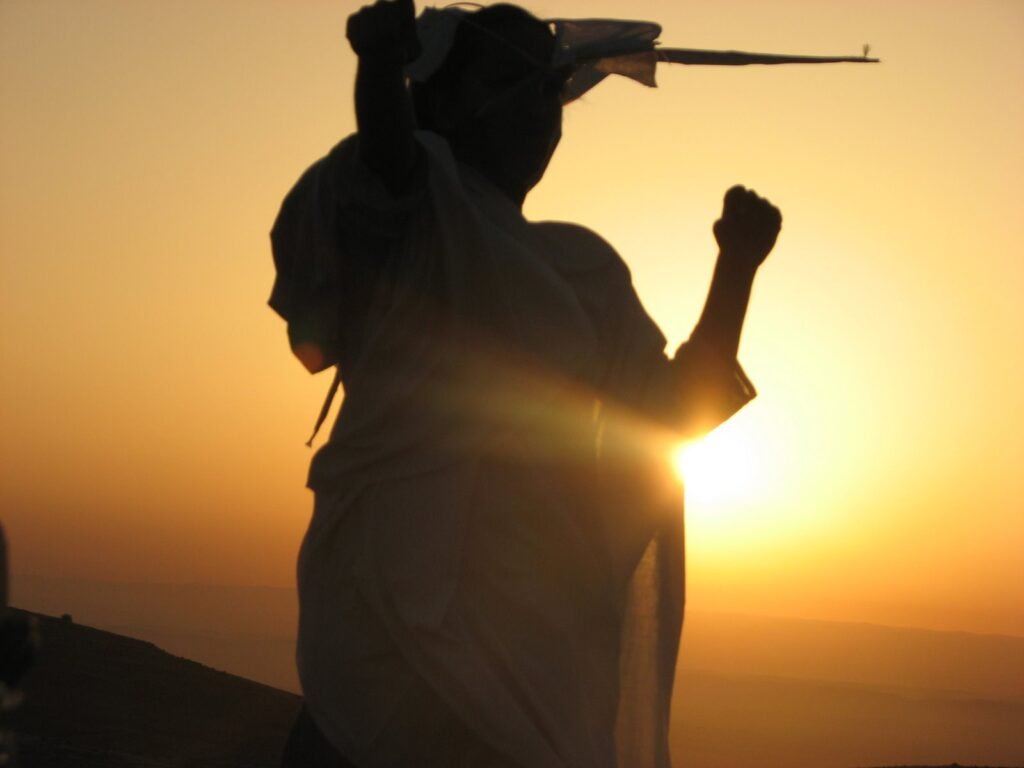
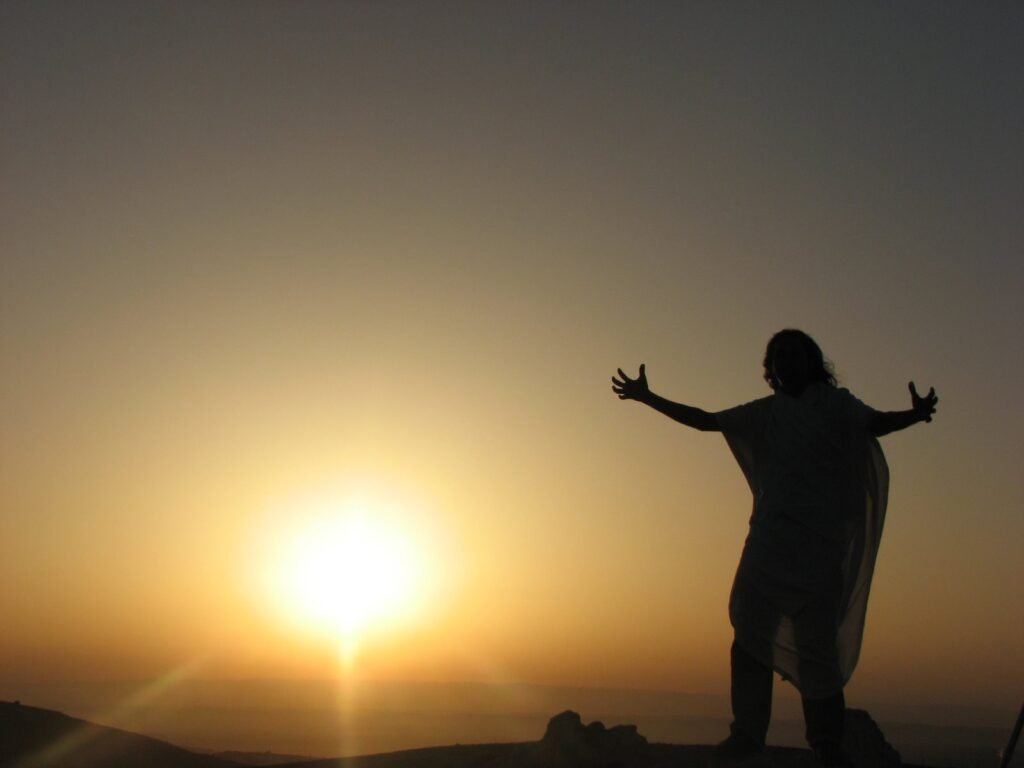
This work was one of the most significant performances I created during my artist residency at the Uijae Museum of Gwangju, South Korea, in 2007. Over the three-month residency, I carried out five performances, but this particular one, set against the backdrop of the Mudeung mountain range, remains especially important in my practice.
Throughout my stay, I walked the mountain trails almost every day—sometimes alone, sometimes with fellow artists, and at times following the paths of strangers. The transition of nature during that period—from the harsh cold of winter to the gentle onset of warmth—was dramatic and deeply inspiring. I observed subtle yet powerful changes in the landscape, alongside shifts in human presence and behavior within it.
These experiences led me to recognize the autonomous presence of nature—its ability to exert an invisible yet forceful influence on everything within it. Without even realizing, we are guided and shaped by this influence. Out of these personal and philosophical reflections, the idea for this performance was born.
The work was documented with the kind assistance of Chinese artist Gong Xue, Korean artist Park Jinno, and his partner, who helped photograph the performance.
Group Performance, Gwangju, 2007
The photographs below are from a group performance presented in front of the historic White Building in Gwangju, South Korea—a site deeply associated with the May 18 Uprising. This collaborative work was created together with my fellow artists Park Jinno (Korea) and Surachai Ekpalakorn (Thailand).
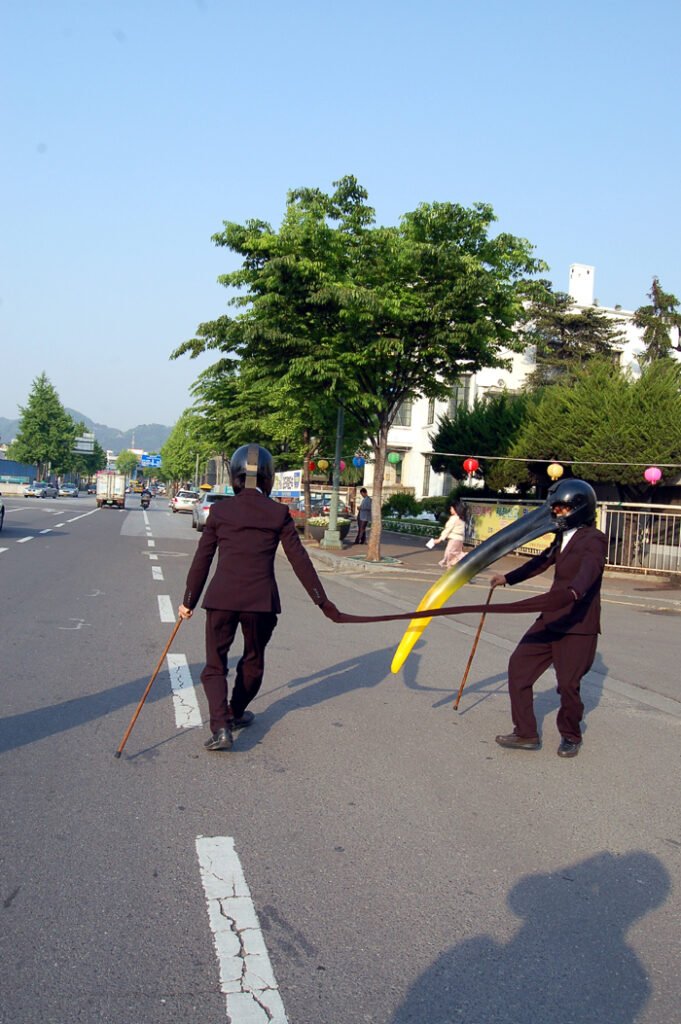
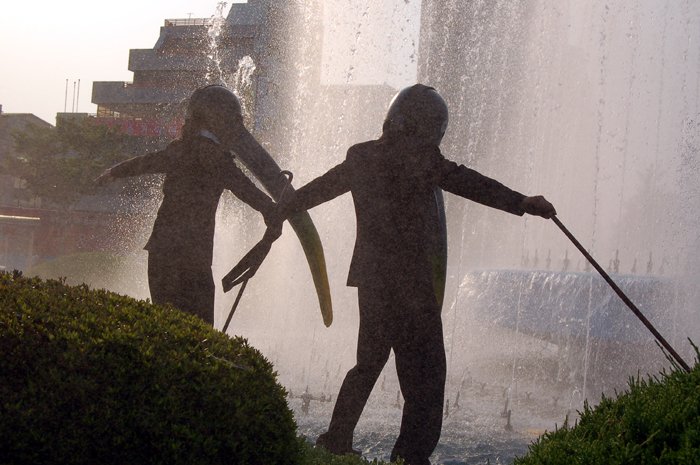
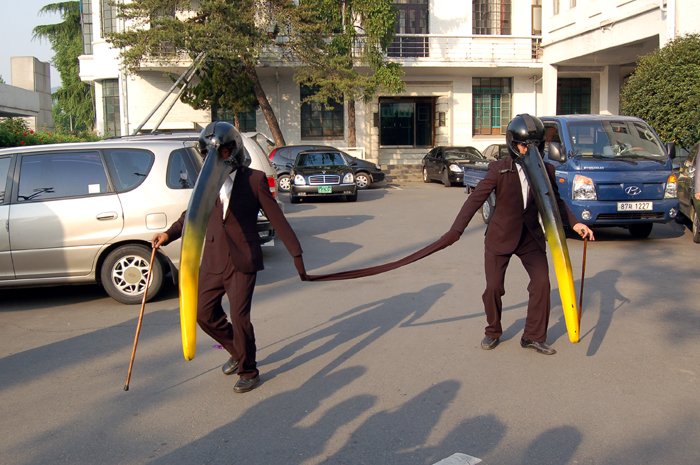
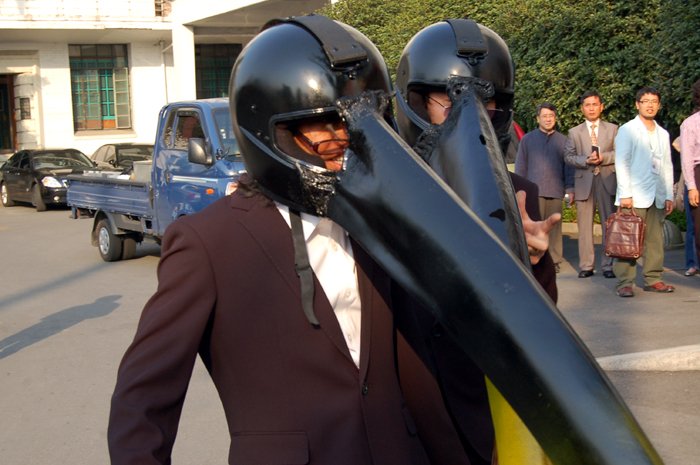
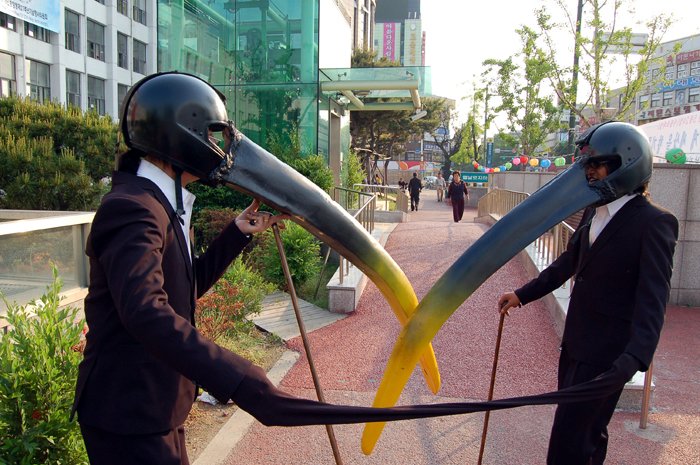
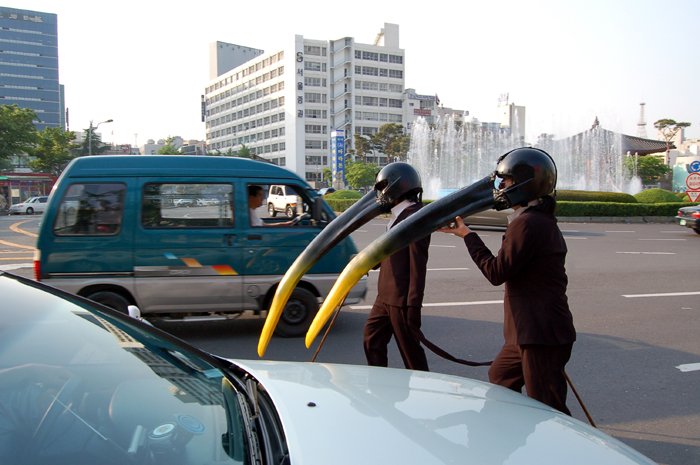
The performance took place on May 18, marking the end of our 90-day artist residency program in Gwangju. It served as the opening performance of the final exhibition, connecting our artistic expressions with the city’s profound history of struggle and resistance.
Story Behind History
Story Behind History was a concentrated attempt to bring into view the complex relationship between memory, hidden histories, and civic identity. Performed in Gwangju in 2007, the work responded to the May 18 massacre and the subsequent waves of violence that helped shape modern democratic South Korea. I wanted the performance to act as a symbolic question directed at citizens and history alike.
A black fabric-covered box served as the central structure—at once a room, a grave, and a container of unresolved experience. From inside the box I formed successive geometric and organic shapes, a rhythmic choreography that unfolded against recordings of Korean patriotic songs. The music introduced a double register of feeling: an immediacy that sometimes felt like outrage, at other times like uneasy affirmation. The tension between concealment and emergence, silence and voice, is the work’s main axis.
The presence of others—walkers’ traces, a child’s curious camera, the steady gaze of viewers—turned the performance into a shared encounter. These moments suggest that history is not only an official narrative but also a field of private memories and silences that demand attention. The photographic and video documentation preserves fragments of this unfolding, reminding us that memory is partial and persistent, quiet yet forceful.
I hope the piece invites viewers to look and to ask: how do we hold history? Which stories remain out of sight, and how might we acknowledge them?
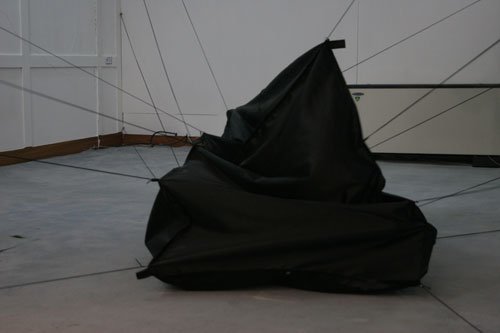
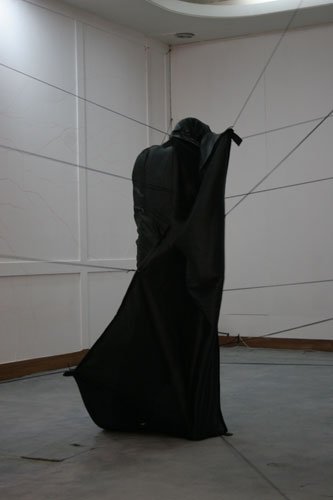
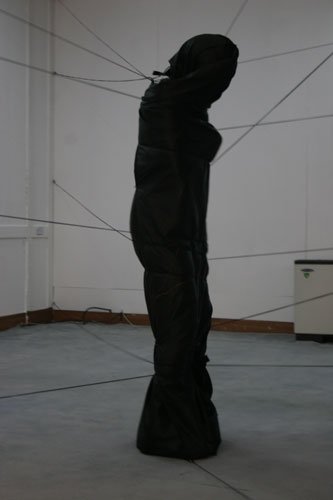
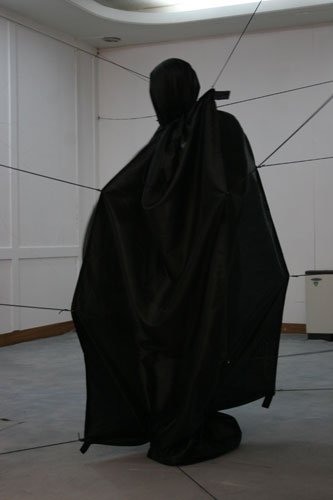
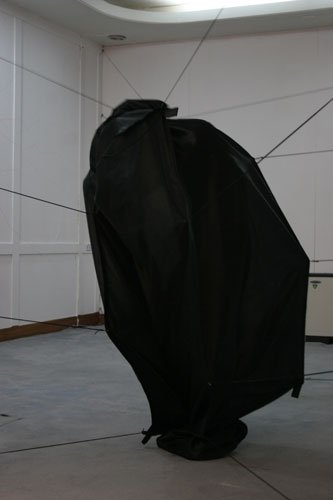
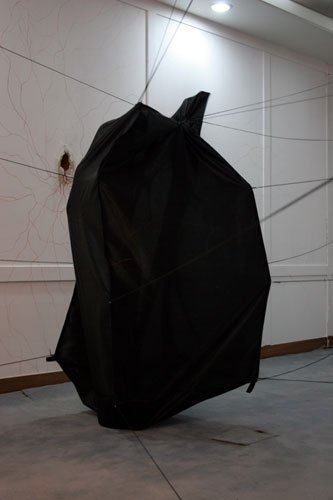
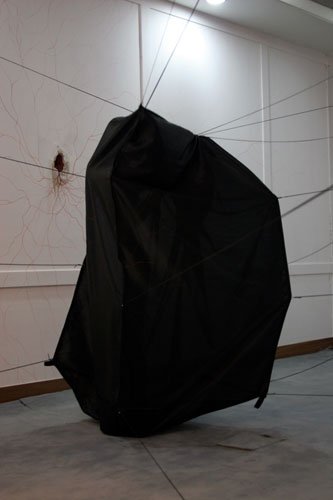
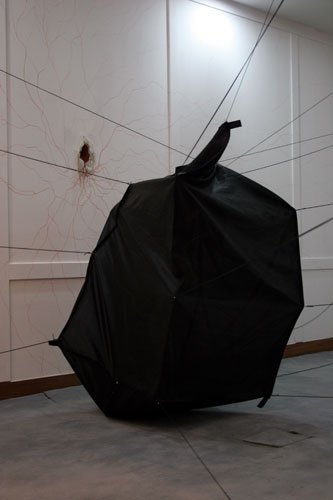
Details: Gwangju, South Korea, 2007. Solo performance, c. 30 minutes. Media: live performance, black fabric-covered structure, recorded sound (patriotic songs), photographic and video documentation.
The – 3, Satana Residency, Jordan (2008)
In 2008 I took part in an artist residency in Satana, a small desert village well outside Amman. I left Patenga on July 3 — my thirty-third birthday — and the journey itself quickly became a part of the work. After a series of mishaps and delays I passed through three airports and arrived in Amman at 3:00 a.m. on July 5. Together with a driver and two companions I then crossed the desert for nearly three hours; the final lamp post on the road into the village had three lights. The stone house where I stayed had three rooms and we were three people living there. The number three kept appearing — small coincidences that accumulated into a persistent, almost ritual atmosphere.
Those repetitions of “three” shaped my experience of time and place during the residency. I began to think in triptychs: actions, objects and encounters fell into groups of three and the residency itself took on a triadic rhythm. Responding to that pattern, I made a collaborative wearable object — a hat designed to be worn by three people at once. On Open Studio Day I invited visitors to try it on together. The piece turned the residency’s uncanny numerology into a playful, communal gesture: strangers finding a moment of shared balance, laughter and curiosity.
The work is less about numerology and more about how small repetitions in travel and place can shift perception and social behaviour. The hat became a simple instrument for bringing people into a single, cooperative frame — a lightweight experiment in intimacy, choreography and chance that grew directly from the landscape and the journey.
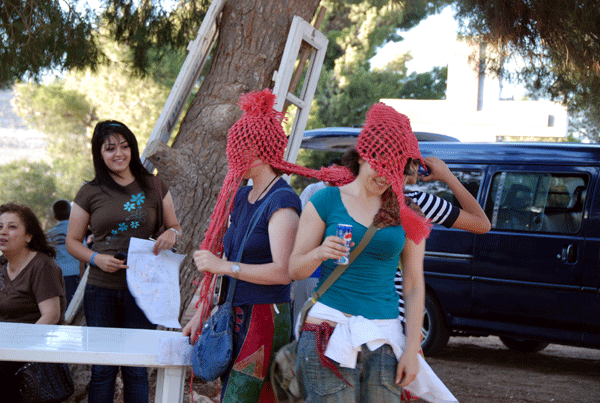
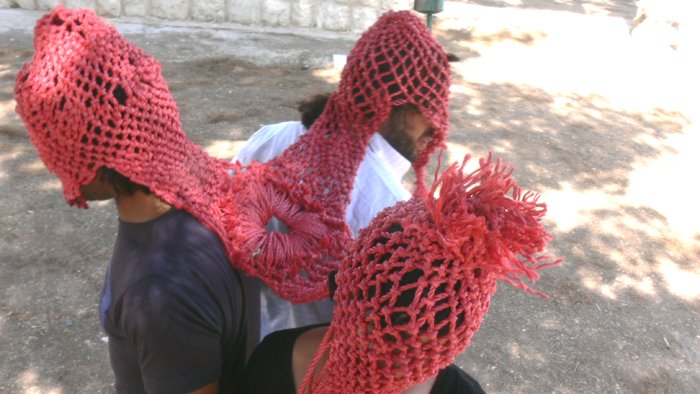
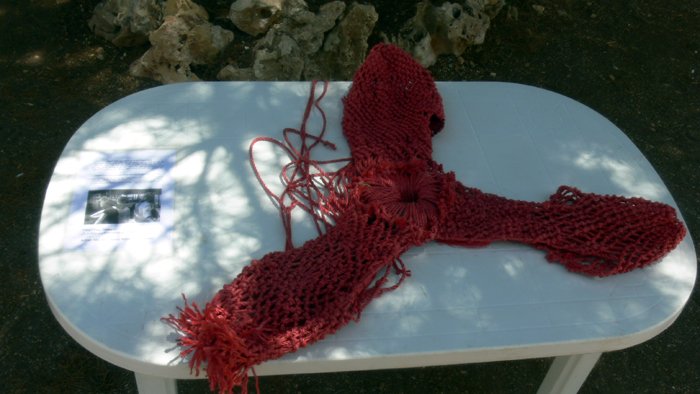
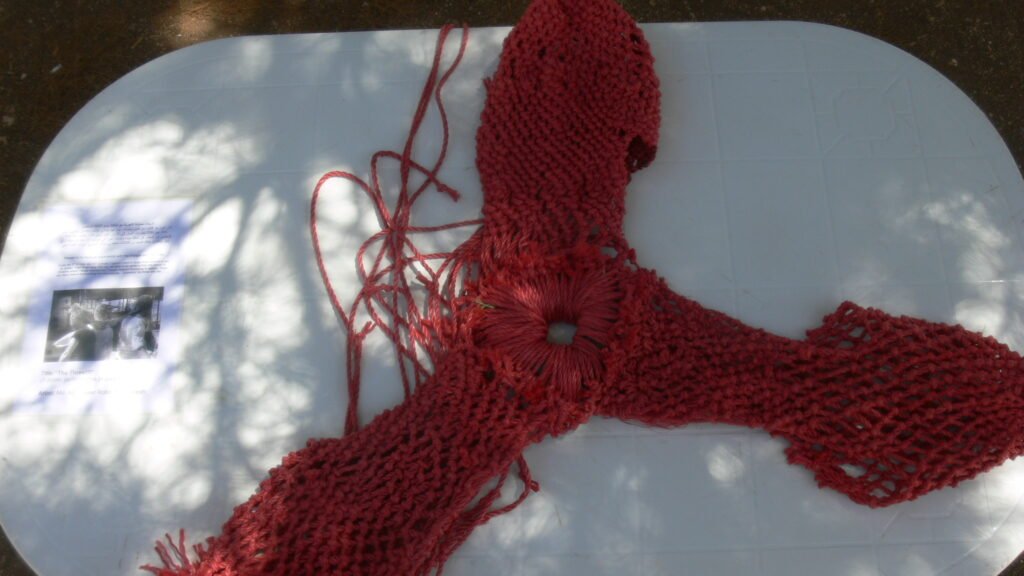
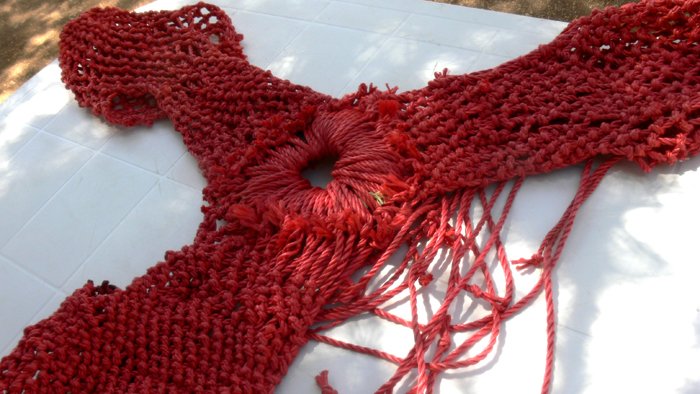
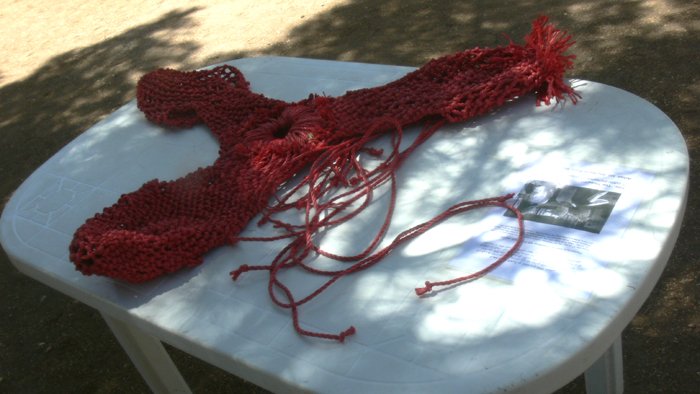
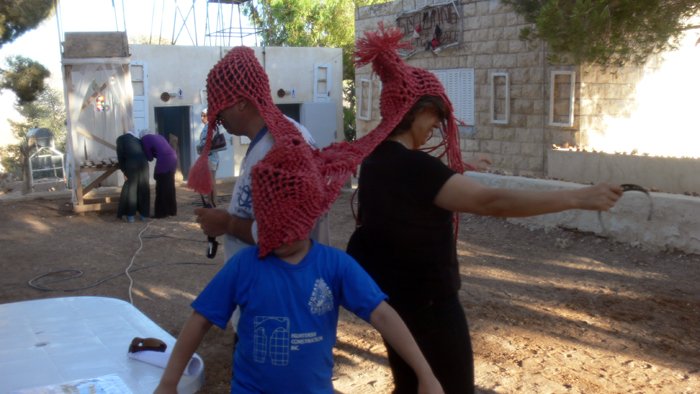
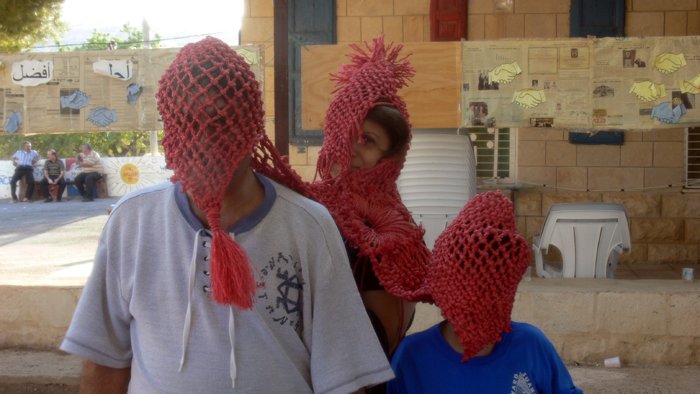
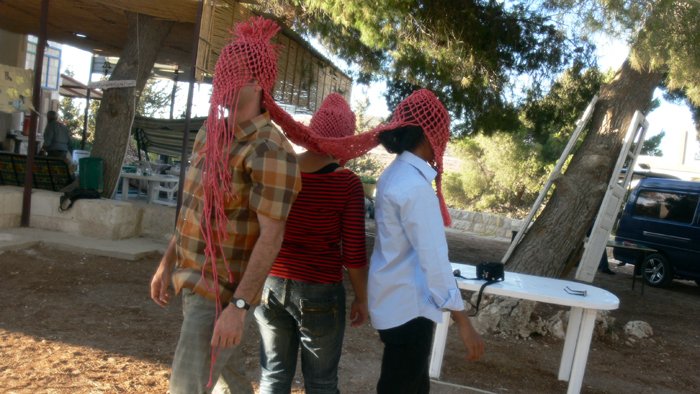
Details: Satana (near Amman), Jordan, 2008. Residency-based project; collaborative wearable object; documented through photographs and participant interaction.
BIDROHI – Satana Collaborative Project (2008)
These images document a collaborative project made during an 18-day residency in Satana, a small historic desert village outside Amman, Jordan. The residency brought together artists from different places and produced a concentrated period of exchange, experimentation and performance.
One memorable encounter there was with Ammani artist Nasruddin. He was deeply moved when I recited a rebellious poem by Kazi Nazrul Islam, Bangladesh’s national poet, and became keen to understand its meaning. Over shared cups of tea and long walks, we exchanged stories about our countries—the people, the landscape, everyday life and politics—and found many unexpected affinities. Those conversations and encounters fed the work directly.
From these conversations I developed a series of small performances, improvised video fragments and found-object pieces. I collected those raw materials — recorded moments of speech, movement and chance — and wove them into a single video installation that we presented on Open Studio Day. The installation is an archive of contact: a record of how language, song and personal stories can travel beyond their origin and be reinterpreted in another place.
What interests me in this project is the way a single poem or a casual conversation can open new lines of empathy and creative response. The work asks: how do cultural expressions migrate and transform in cross-border encounters, and how do simple human exchanges become the seed for collaborative art?
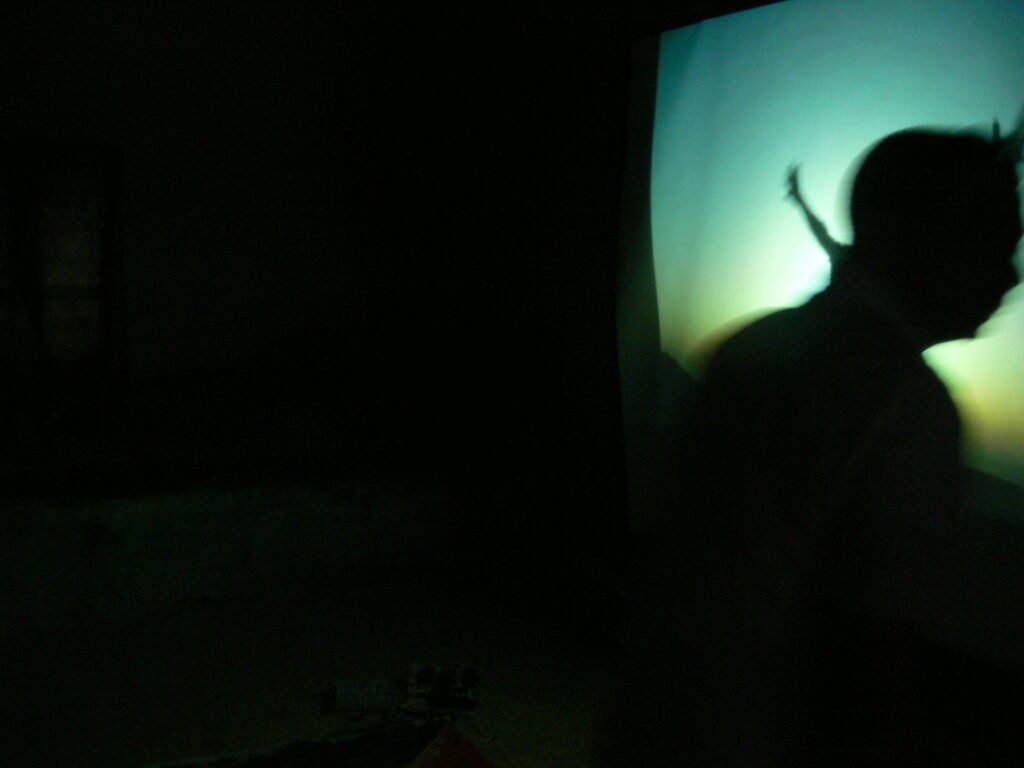
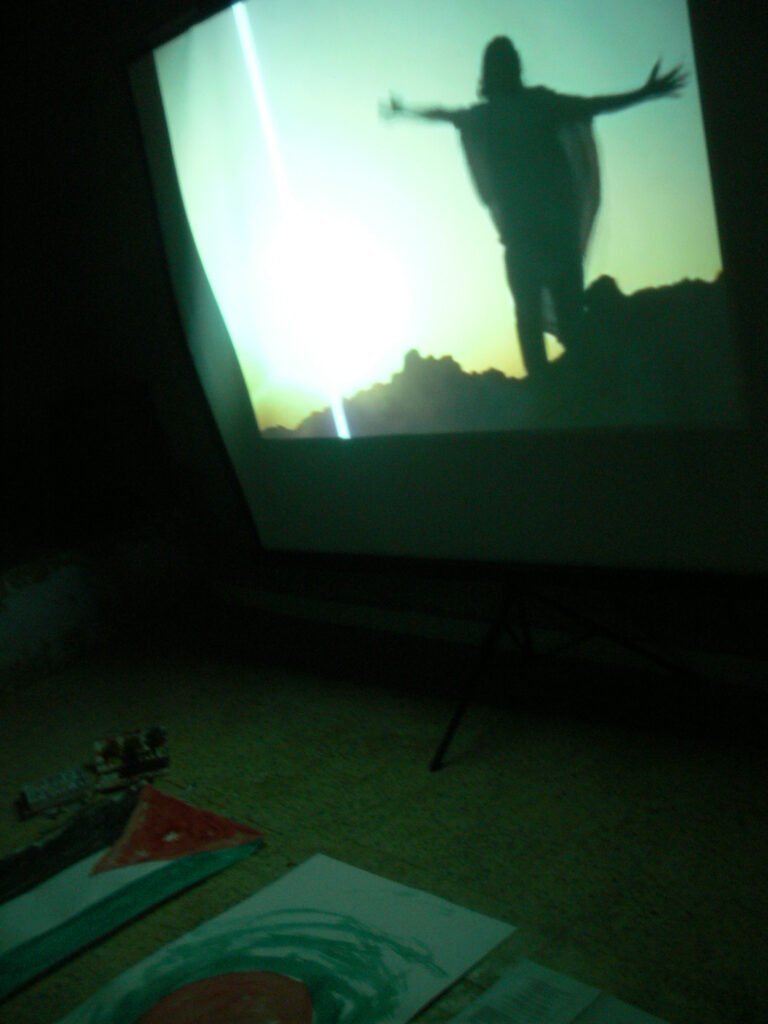
Details: Satana (near Amman), Jordan, 2008. Residency-based collaborative project; video installation assembled from performances, spontaneous recordings and found objects; presented at Open Studio Day.
Conflict of Mind
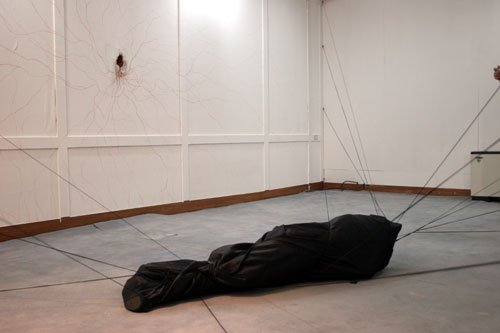
Conflict of Mind was made during a week-long artist residency and workshop I organized with friends at the Jagatpur Ashram, beside the thermal power plant in Patia, Chattogram. The workshop’s central idea — “Movement will become sculpture” — guided the project: I wanted to turn the body’s effort and hesitation into a living, temporal object.
For this piece I constructed a wearable form that resembles a neuron cell — a helmet knitted from rope and cord that could be fastened from four directions. Once on, the garment both sheltered and constrained the wearer. Bound at the edges and tethered to the floor, my body became the site of a struggle: repeated attempts to move, to free myself, to recompose the form. Over ten minutes the effort of resisting and releasing generated shifting geometries — a sculptural choreography of tension, breath and failure.
The work is a physical inquiry into internal conflict. The helmet’s neural shape suggests thought and perception; the ropes and restraints stand for habit, social pressure, memory and the limits we place on ourselves. Movement becomes a language of insistence: the more I pushed, the more the structure recorded that pressure as form. The piece asks viewers to consider how psychological constraints become visible, how the body negotiates them, and how collaborative audiences witness — and sometimes share — those attempts at escape.
This work was produced within a residency and workshop supported by Britto Art Trust, with visiting artist Leona Cojanet (Lyon) and under the guidance of artist Mahbubur Rahman. Photographic documentation preserves the traces of the performance and the moments when tension briefly resolved into play.
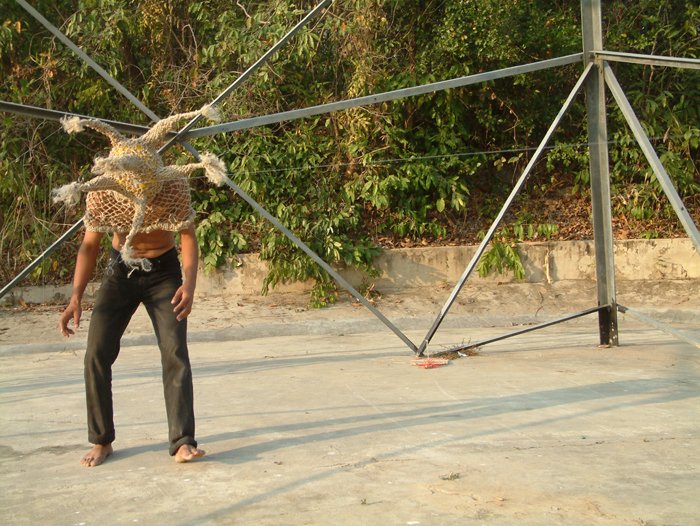
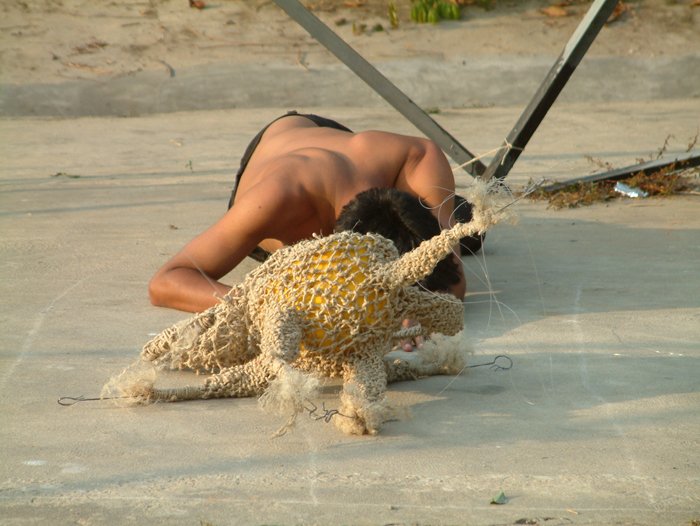
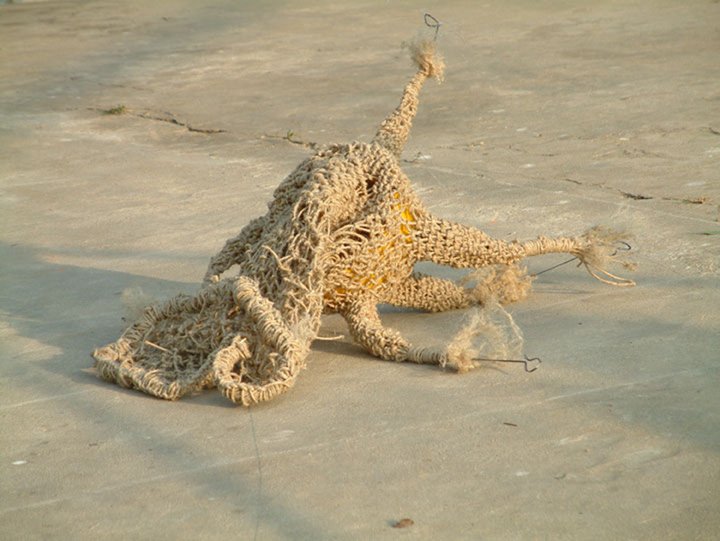
Materials & format: Rope/cord helmet, tethering lines; live performative action, c. 10 minutes; documented through photography
2005 at Jagatpur Ashram Chittagong:
Run… ! (Open Studio performance, Britto Art Trust workshop, 2007)
At the 2007 Britto Art Trust international workshop I presented an Open Studio performance at the Nijera Kori training hall in Nun Gola, Bogura. For this piece I made a large, rabbit-like form knitted from soft white wool yarn. From that body a number of hand-like extensions reached outward in many directions, restless and wanting. Suspended in front of the work was a single carrot — the visible object of desire.
During the presentation I carried two small baskets and attempted, again and again, to reach and capture the carrot. The audience’s movement and laughter became part of the action: viewers ran, pointed, and playfully engaged with the scene, turning the pursuit into communal theatre. The repeated, often comic attempts to grasp the carrot unfolded as a simple but pointed allegory: the endless race for success, recognition or reward that drives human life, and the ways we chase goals that remain just out of reach.
I wanted the piece to balance humor and critique. On one level it is playful — a scene of chasing and failure that invites shared amusement. On another, it is quietly worrying: the loop of desire, performance, and social expectation that keeps individuals running without rest. By staging this ritual of pursuit in a community setting, the work tries to make visible the ordinary gestures and social rhythms that structure ambition, and to open a space where viewers can laugh and then reflect.
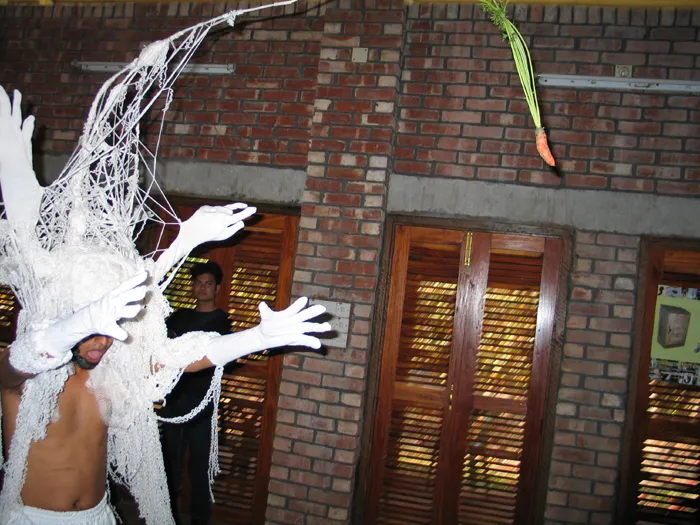
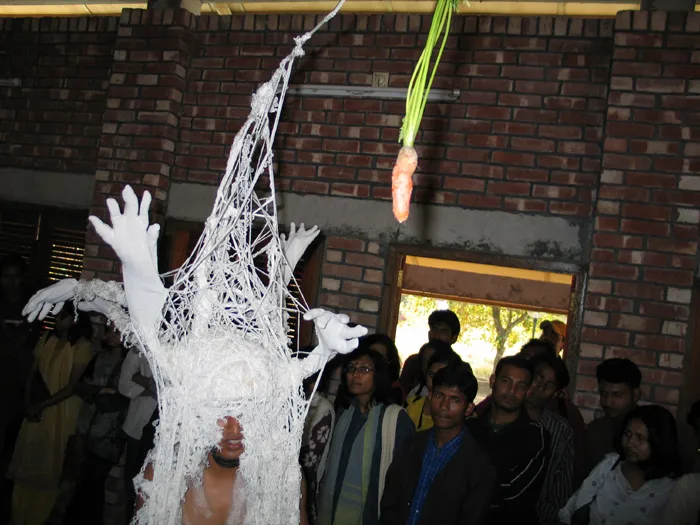
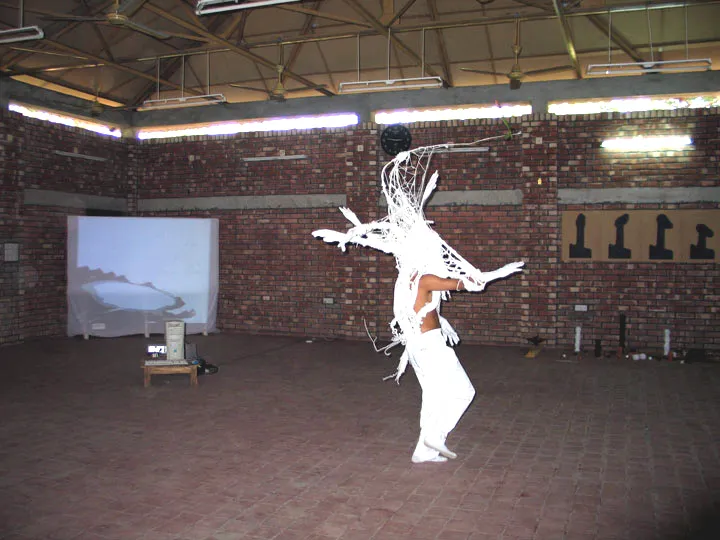
Details: Britto Art Trust international workshop (2007); Nijera Kori training hall, Nun Gola, Bogura. Materials: soft white wool yarn, suspended prop (carrot), wearable/hand props (baskets); Open Studio performance with audience participation; documented in photographs and video.
Seagang Fish Market Residency, Ansan (Summer 2008)
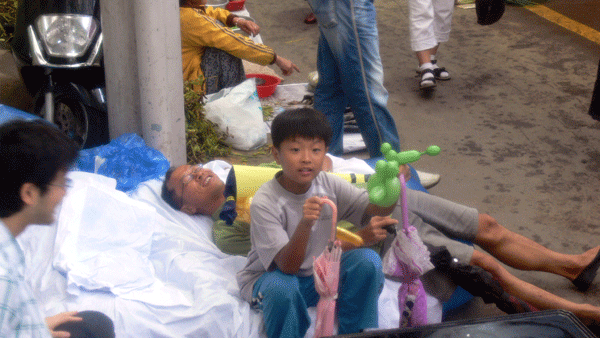
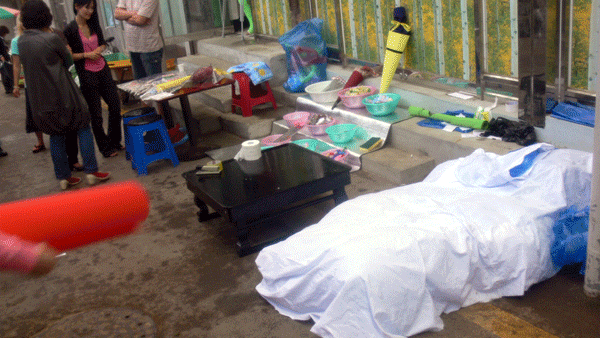
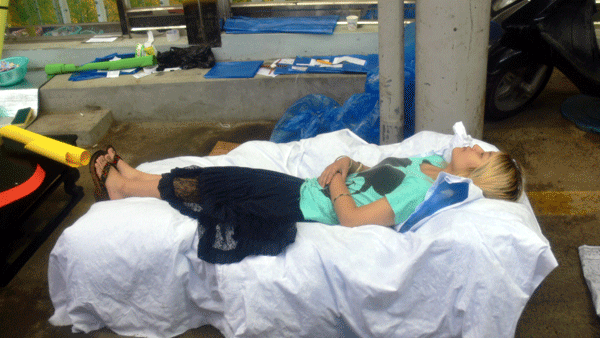
During a summer residency in 2008 near Ansan I made a participatory work at the busy Seagang Fish Market. The project invited market-goers to take part in a small ritual: they breathed into small fabric pouches, sealed them, and tucked a short written wish or hope inside on a folded slip of paper. I then stitched those individual pouches together to build a soft, improvised mattress — a communal bed assembled from people’s breath and written intentions.
I installed the mattress in a corner of the market where there was no seating, a place people passed through but rarely paused. The bed offered an immediate, ordinary comfort: tired vendors, shoppers and passers-by sat down, rested, and a few even fell asleep. The piece turned fleeting gestures — a breath, a whispered wish — into a shared object of care.
Conceptually the work asked simple questions: how can small acts of participation create public comfort? How do private hopes become social material? By giving the community a practical place to rest, the project became a literal and symbolic space of recharge and mutual attention — a quiet counterpoint to the market’s constant motion and labor.
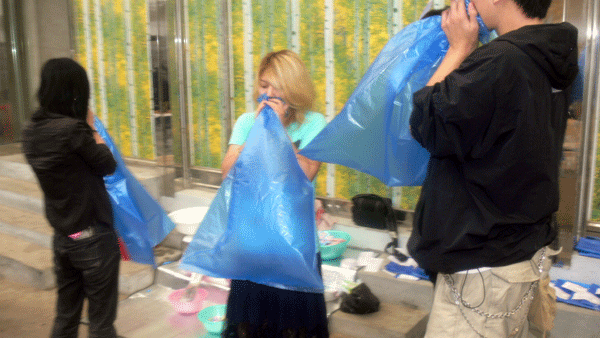
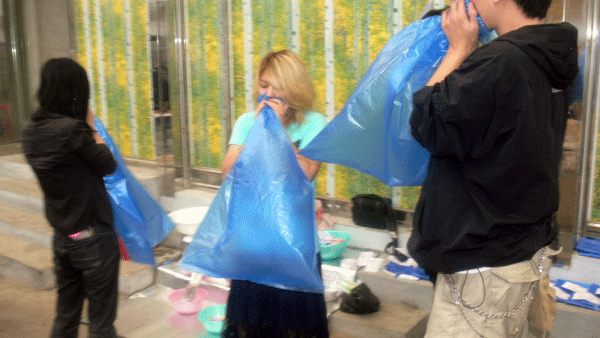
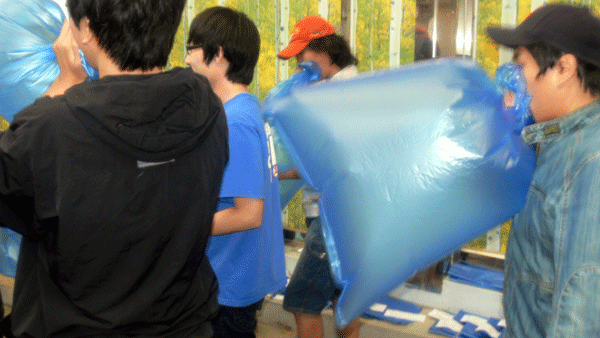
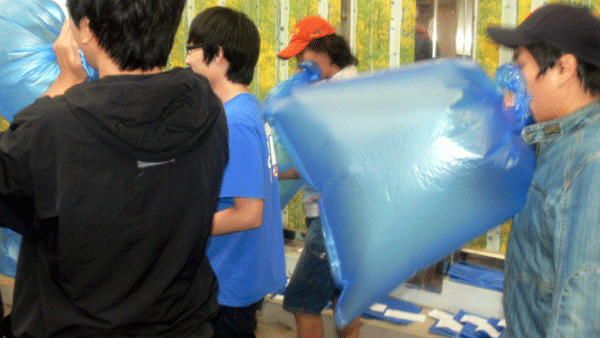
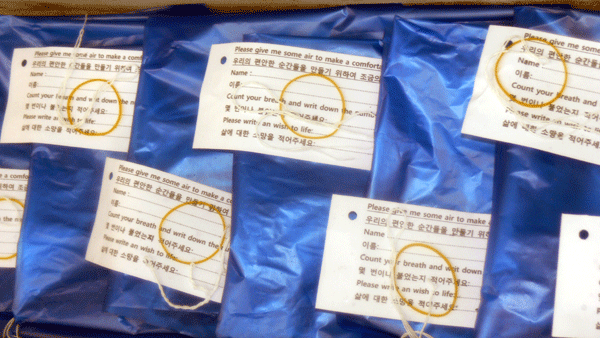
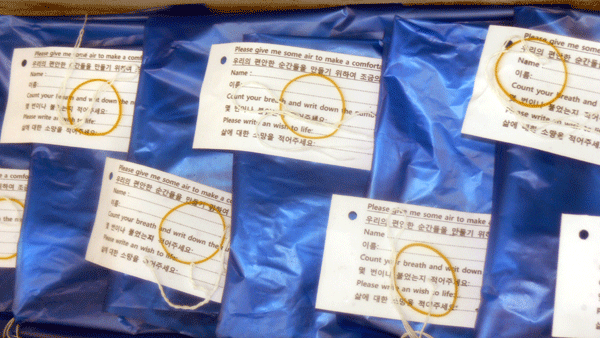
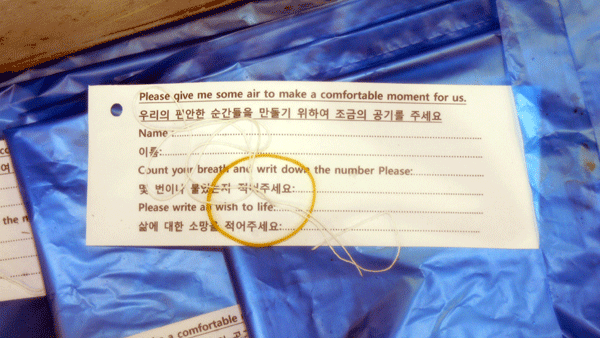
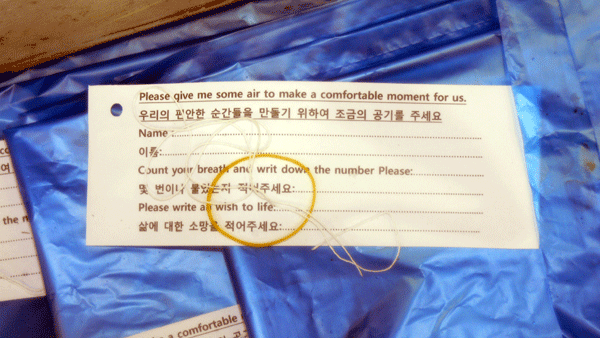
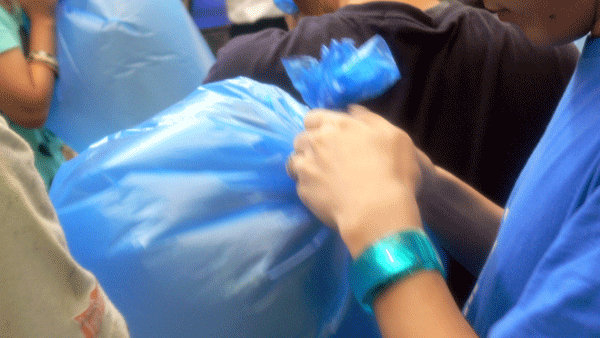
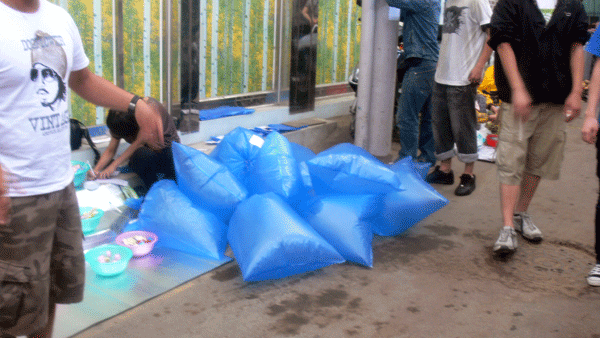
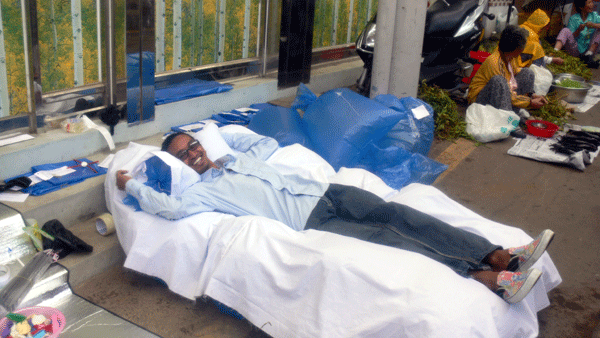
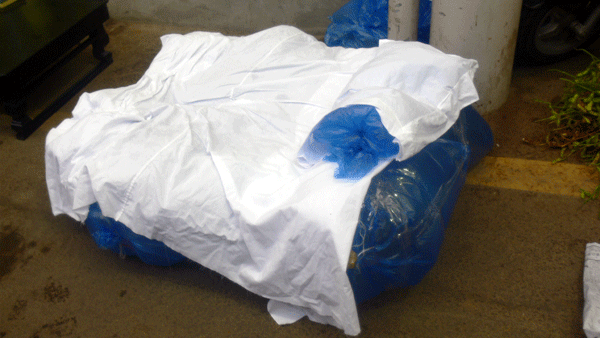
Materials & format: stitched fabric pouches containing breath and handwritten slips; site-specific participatory installation; documented through photography and video. (Ansan, South Korea; Summer 2008.)