MAMF -2017

Back in 2017, Bangladesh was invited to represent itself as the dominant country in the multicultural cultural festival organized by the Bangladesh Embassy in South Korea. It was a great opportunity for us to showcase our country\’s cultural heritage and present our image on the world stage. At that time, I was attending the ACC Asian Cultural Center\’s Art Space Network meeting in Guangzhou, South Korea when my friend, Mahbub Alam, who was the head of the Bangladesh Cultural Association, invited me to the embassy to meet him. Little did I know, preparations for the Mump Festival were already underway and I soon found myself involved in the festival\’s decoration.

For about a month, I worked together with Bangladesh\’s cultural association stuff and embassy staff to decorate the festival with the country\’s national exchange in the style of the Mongol procession. It was a challenging task because of the language barrier and lack of necessary materials, but we didn\’t let that stop us. We worked with full enthusiasm, with Mahbub Alam being our only hope.

\"\"

Mahbub Alam had been living in South Korea for many years and worked as a popular hero of the country\’s mainstream popular cinema. He was also a member of the Bangladesh Cultural Association and an entrepreneur. With the support of the Bangladesh Cultural Association, the Embassy of Bangladesh was organizing a diverse cultural presentation as the special country of that year\’s MUMF Festival.

I was responsible for the actual competitive part of the event. At the beginning of the festival, a multi-ethnic cultural procession was held on a one-kilometer road in which each country competed in its cultural traditions. Our Bangladesh Show had 17 countries to compete with, and everyone was aspiring to present the best and take the first position.

Mahbub Alam and I started organizing the procession with all these aspirations in our minds. We worked for a long month, converting the embassy garage into a workshop, and using wood, bamboo, and colored paper to build Hilsa fish, owls, tiger heads, and many masks, all in quite a colorful arrangement. We also had to plan and choreograph the display, and practice rehearsals of songs and dances.

Finally, the day of the event came, and our desi expatriate brothers and sisters took part in the procession on time by hiring two cargo container movers to the event venue. We won first place in the competition and were awarded. It was a great achievement for us, and I still remember the joy and pride we felt when we received the award. It was a memorable experience and one that I will never forget

\"\"

দক্ষিণ কোরিয়ার বাংলাদেশ দূতাবাসের আয়োজনে সেদেশের প্রবাসী অভিবাসীদের নিয়ে আয়োজিত বহুজাতিক সাংস্কৃতিক উৎসবে বাংলাদেশ ২০০৬ সালের প্রাধান্য প্রাপ্ত দেশ হিসেবে নিজেকে উপস্থাপন করার আমন্ত্রণ পায়. এটি দেশের ভাব মূর্তি তুলে ধরতে এবং বিশ্ব দরবারে নিজেদের সাংস্কৃতিক ঐতিহ্য তুলে ধরার এক সুবর্ন সুযোগ। সেসময় আমি এ সি সি এশিয়ান কালচারাল সেন্টারের আর্ট স্পেস নেটওয়ার্ক মিটিঙে অংশ গ্রহণের জন্যে দক্ষিণ কোরিয়ার গুয়াংজু শহরে অবস্থান করছিলাম। আমার বন্ধু দক্ষিণ কোরিয়ার নাম করা অভিনেতা বাংলাদেশ কালচারাল এসোসিয়েশনের কর্তা মাহবুব আলম একদিন ফোন করে দূতাবাসে আসার আমন্ত্রন করলে আমি দেখা করতে দূতাবাসে গেলাম। সেখানে আদতে মাম্প ফেস্টিভ্যাল এর প্রস্তুতি সাকল্পে পরিকল্পনা হচ্ছিল। আমি কাকতালীয় ভাবে এতে নিজেকে জড়িয়ে ফেলি। এবং এর পর প্রায় ১ মাস সময় ধরে মঙ্গোল শোভাযাত্রা র আদলে দেশের জাতীয় আদান নির্মাণ করার কাজে হাত দেয়.
এটি ছিল ভীষণ চ্যালেঞ্জিং কাজ, কেননা বিদেশে ভাষা না জানা, এবং প্রয়োজনীয় উপকরণের দুষ্প্রাপ্যতা মারাত্বক ভুগান্তি পুর্ন।
তবুও এমন একটি সুযোগ হাত ছাড়া করা যায় না. পুর্ন উদ্দমে কাজে লেগে গেলাম, সাথে মাহবুব আলম ভাই এক মাত্র ভরসা।
মাহবুব আলম দক্ষন কোরিয়ায় বসবাস করছেন বহু বছর ধরে, তিনি এই দেশের মূলধারার জনপ্রিয় সিনেমার একজন জনপ্রিয় নায়ক হিসেবে সিউলে কাজ করেন, বাংলাদেশ কালচারাল এসোসিয়েশন এর ও উদ্যোক্তা ব্যক্তিদের একজন মাহবুব আলম. বাংলাদেশের দূতাবাস বাংলাদেশ কালচারাল এসোসিয়েশন এর সহায়তায় এবারের মামফ ফেস্টিভালের বিশেষ দেশ হিসেবে একটি বৈচিত্র ময় সাংস্কৃতিক উপস্থাপনার আয়োজন করছেন।
এই আয়োজনের একত্য প্রতিযোগিতা মূলক অংশের দায়িত্ব নিতে হয়েছে আমাকে। এই ফেস্টিভ্যালের শুরুতেই এক কিলোমিটার রাস্তায় একটা বহুজাতিক সাংস্কৃতিক শোভাযাত্রা অনুষ্ঠিত হবে যা প্রত্যেক দেশ নিজ নিজ সাংস্কৃতিক ঐতিহ্য অনুসারে সাজিয়ে প্রতিযোগিতা করবেন। এখানে বাংলাদেশ শোঃ ১৭ দেশ প্রতিযোগিতা করবে। এবার যেহেতু বাংলাদেশ বিশেষ গুরুত্বপূর্র্ণ দেশ হিসেবে আমন্ত্রণ গ্রহণ করেছে সেহেতু এই প্রতিযোগিতায় সব পক্ষের আকাঙ্খা বাংলাদেশ সেরা কিছু উওপস্থাপন করে এখানে প্রতিযোগিতার প্রথম সারিতে অবস্থান নিবে। এই আকাঙ্খা থেকেই মাননীয় রাষ্ট্রদূত মহোদয় এবং ১ম সেক্রেটারি মহোদয় আন্তরিক ভাবে বাংলাদেশের অংশগ্রহণকে গুরুত্ব দিচ্ছেন, এই অনুষ্ঠানে বাংলাদেশের সংস্কৃতি বিষয়ক মন্ত্রী মহোদয় স্বশরীরে উপস্থিত থাকার ও কথা রয়েছে। এই সব ক্যাপ মাথায় নিয়ে এই শোভাযাত্রা সাজিয়ে তোলার কাজ শুরু করি আমি আর মাহবুব আলম.
এটি দীর্ঘ এ মাসের অবিরাম কর্র্ম যজ্ঞ , দূতাবাসের গ্যারেজ কে ওয়ার্কশপে রূপান্তর করে কাঠ, বাশ, আর রঙিন কাগজ দিয়ে গড়ে তুলতে থাকি ইলিশ মাছ, পেকে আর বাঘের মাথা , এছাড়াও অনেক গুলো মুখোশ তৈরী করা হয়, সব মিলিয়ে বেশ রঙিন আয়োজন। কাজের ফাঁকে ফাঁকে চোলে ডিসপ্লে পরিকল্পনা ও কোরিওগ্রাফি প্রাকটিস, নাসের ও গানের মহড়া। অবশেষে সেই অনুষ্ঠান দিন চোলে আসে, ২ টি মাল বাহি কন্টেইনার মুভার ভাড়া করে তৈরী জিনিস পত্র অনুষ্ঠানস্থলে নিয়ে যথা সময় শোভাযাত্রায় অংশ গ্রহণ করে আমাদের দেশি প্রবাসী ভাই বোনেরা। এই প্রতিযোগিতায় বাংলাদেশ প্রথম স্থান অধিকার করে ও পুরস্কৃত হয়
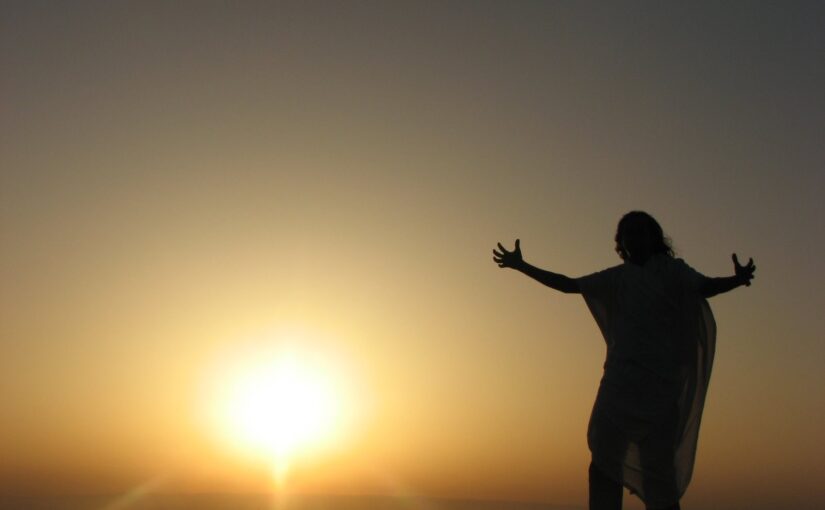
\”Bidrohi\” Rebellious

A Cross-Cultural Art Installation Inspired by Kazi Nazrul Islam\’s Epic Poem


Rebellious is an installation that reflects on the power and universality of Kazi Nazrul Islam\’s epic poem while exploring the cultural and political exchanges between Bangladesh and Jordan. The installation consists of a video and object art piece created by two artists, Rafiq Nasiruddin and Abu Naser robii, during an international art workshop in the village of Satana, near Amman, Jordan.

The installation is set in a room of a traditional house made of mud and stone, where the artists inserted various accessories that reflect the light and energy of the poem. The video projection features excerpts of the poem in its original Bengali language, followed by translations in English and Arabic. The objects in the installation include various elements such as traditional calligraphy, photographs of landscapes and cityscapes, and other symbolic objects that represent the cultural and political identity of Bangladesh and Jordan.

The installation is an outcome of a series of activities and discussions that took place during the 22-day art workshop. The artists explored the themes and ideas present in the poem while attempting to translate them into English and Arabic. They engaged in long discussions on various cultural and political issues relevant to both countries and their mutual interest and effort to understand and share was genuine.

Rebellious is an artistic attempt to exchange the cultural and political ideas of Jordan and Bangladesh through the powerful and attractive elements of rebel poetry. The installation aims to reflect on human existence and the power of poetry to awaken any person from within. It seeks to bring together people from different languages, cultures, and backgrounds to engage in meaningful dialogues and exchange of ideas through art.

\”Bidrohi\” Rebellious

A Cross-Cultural Art Installation Inspired by Kazi Nazrul Islam\’s Epic Poem


Rebellious is an installation that reflects on the power and universality of Kazi Nazrul Islam\’s epic poem while exploring the cultural and political exchanges between Bangladesh and Jordan. The installation consists of a video and object art piece created by two artists, Rafiq Nasiruddin and Abu Naser robii, during an international art workshop in the village of Satana, near Amman, Jordan.

The installation is set in a room of a traditional house made of mud and stone, where the artists inserted various accessories that reflect the light and energy of the poem. The video projection features excerpts of the poem in its original Bengali language, followed by translations in English and Arabic. The objects in the installation include various elements such as traditional calligraphy, photographs of landscapes and cityscapes, and other symbolic objects that represent the cultural and political identity of Bangladesh and Jordan.

The installation is an outcome of a series of activities and discussions that took place during the 22-day art workshop. The artists explored the themes and ideas present in the poem while attempting to translate them into English and Arabic. They engaged in long discussions on various cultural and political issues relevant to both countries and their mutual interest and effort to understand and share was genuine.

Rebellious is an artistic attempt to exchange the cultural and political ideas of Jordan and Bangladesh through the powerful and attractive elements of rebel poetry. The installation aims to reflect on human existence and the power of poetry to awaken any person from within. It seeks to bring together people from different languages, cultures, and backgrounds to engage in meaningful dialogues and exchange of ideas through art.

The three

As an artist participating in the international workshop held in Satna village, Jordan, I found myself drawn to the significance of the number three. From the day of my arrival, on my 33rd birthday, after overcoming visa-related obstacles, I traveled through three airports, carrying three pieces of luggage, for three different organizations. I was welcomed by Rafiq Naseeruddin, who drove me for three hours along a deserted road to the traditional mud and stone house where I would be staying with two other artists for the next 20 days.

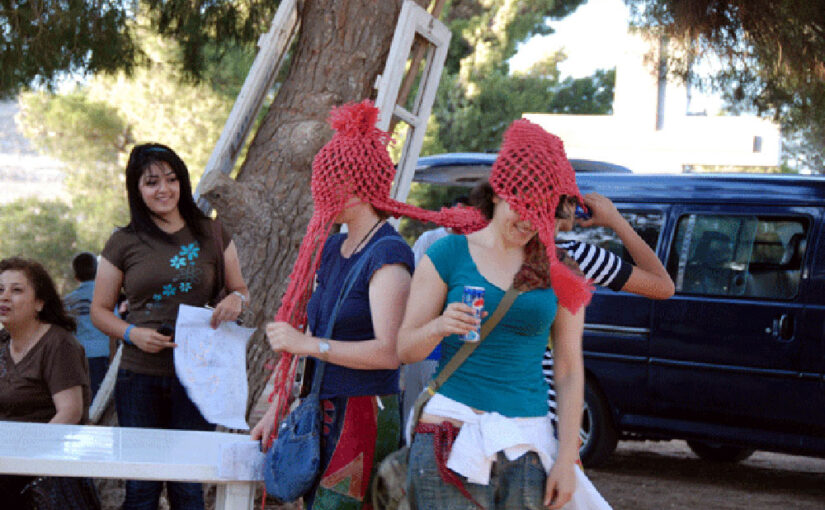
During my time in Satna, the significance of the number three continued to manifest in various ways, including the arrival of three more artists, one of whom was from Italy and had come from Egypt. The idea of the number three stayed with me and eventually found expression in a performance piece involving knitting.

On the last day of the workshop, I invited the audience to participate in the performance by wearing a three-headed knitted hat. The hat symbolized the challenges and dangers of moving forward when pulled in three different directions. The audience had fun with the unusual hat, but also experienced the discomfort of its design, emphasizing the importance of balance and unity in the face of challenges. The workshop was supported by Triangle Arts Trust UK, and the experience gave me a new appreciation for the power of numbers and their influence on our perceptions and experiences

Continue reading The three

Water is everywhere but where is Drinking water?

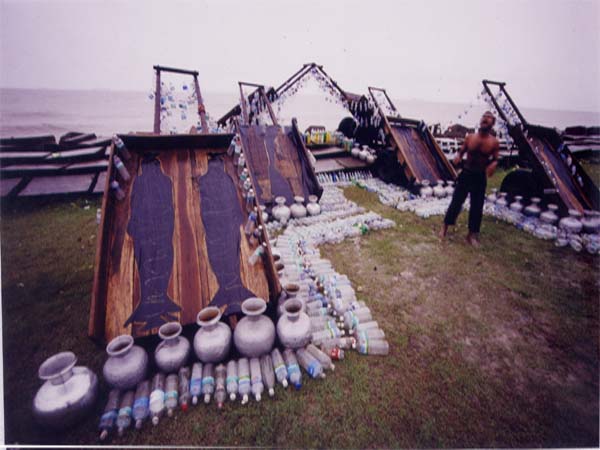
As an artist, I have always been interested in creating art that brings about social change and awareness. On June 5th, 2005, I organized a solo installation art show at Patenga beach in support of the World Environment Day activities of Porapara Space for Artists.

The installation aimed to highlight the freshwater crisis and the dire situation of water pollution in the area. Through a series of social practice art activities, I engaged with the local community to create awareness and stimulate discussion on these pressing issues.

My approach involved leaving empty water jugs in some houses in the local market, creating curiosity, and engaging people in a discussion about fresh water and water pollution. The response was overwhelming, and many local people participated in the activity by offering their help to transport the materials to Patenga beach, which was around 5 miles away.

With the help of the local community, I collected almost all the materials for my installation and created a live performance piece that was witnessed by tourists, locals, and fellow artists. Despite the hostile weather and heavy rain, the performance was a success, and many members of our community became a family.

Through this social practice art activity, I aimed to create a space for dialogue and awareness about the environment and the impact of human activity on the planet. By engaging with the local community and involving them in the activity, I hoped to create a sense of shared responsibility and encourage positive action toward a better future for performance.

in this event local cultural Organization \”Amra Palash\” Drama artists Sohidul Islam Mithu and Ekramuk Hauque participate in the performance action. Mazharul Alam Titumir, Anwar Jamal, Harun Mehedi, Hanif Uddin Talikdar, Musa Alam Masud, and many other local friends help to make the event successful.

The river\’s heart is on fire

I remember creating the \”The river\’s heart is on fire. \” installation, inspired by my experience at the Santaran Art Camp in Alikadam, Bandar Bon. The installation aimed to capture the contrast between the natural beauty of the area and the underlying fear that exists due to political tensions.

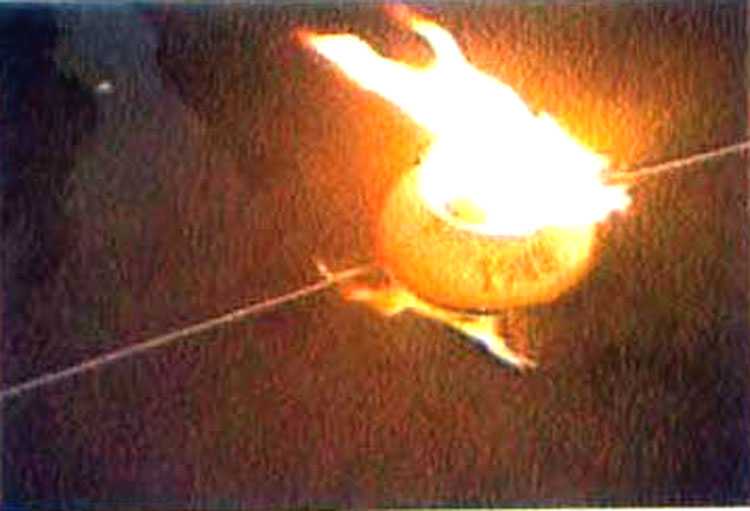
To create the installation, I set up a floating fire on the clear waters of the Matamuhuri River and made a garland of light on the way to cross the river in the evening. The garland was made by combining the river\’s current and clear water with an earthen bowl.

My experience at the Santaran Art Camp was a catalyst for the installation. Although I intended to concentrate on my studies for my MA exam preparation, I was invited to enter the camp and agreed under certain conditions. I used the opportunity to advance my studies and did not draw pictures in the camp.

After ten days, a day-long performance and installation activity centered around the Alikadam Bazar ghat of the Matamuhuri River began. Despite the stress from general Pahari, the Bengali leader\’s response, and the underlying fear in the area, many beautiful and serious artistic expressions were revealed at the end of the day.

Through the \”The river\’s heart is on fire.\” installation, I wanted to create a sense of contrast that would resonate with local hill Bengali walkers and encourage dialogue about the underlying fear that exists in the area. The combination of fire and water symbolizes the contrast between nature\’s beauty and the underlying fear that exists, and I hope that the installation sparks a meaningful conversation.


The river\’s heart is on fire

I remember creating the \”The river\’s heart is on fire. \” installation, inspired by my experience at the Santaran Art Camp in Alikadam, Bandar Bon. The installation aimed to capture the contrast between the natural beauty of the area and the underlying fear that exists due to political tensions.

To create the installation, I set up a floating fire on the clear waters of the Matamuhuri River and made a garland of light on the way to cross the river in the evening. The garland was made by combining the river\’s current and clear water with an earthen bowl.

My experience at the Santaran Art Camp was a catalyst for the installation. Although I intended to concentrate on my studies for my MA exam preparation, I was invited to enter the camp and agreed under certain conditions. I used the opportunity to advance my studies and did not draw pictures in the camp.

After ten days, a day-long performance and installation activity centered around the Alikadam Bazar ghat of the Matamuhuri River began. Despite the stress from general Pahari, the Bengali leader\’s response, and the underlying fear in the area, many beautiful and serious artistic expressions were revealed at the end of the day.

Through the \”The river\’s heart is on fire.\” installation, I wanted to create a sense of contrast that would resonate with local hill Bengali walkers and encourage dialogue about the underlying fear that exists in the area. The combination of fire and water symbolizes the contrast between nature\’s beauty and the underlying fear that exists, and I hope that the installation sparks a meaningful conversation.


How is next?


As an artist participating in the movement against the killing of students for bad politics at Chittagong University, my aim was to pay tribute to the victims and draw attention to this tragedy. I planned the movement by first identifying the date of the killing and then creating visual symbols to express the tribute. I sourced crops and accessories for future actions, including a banner for public demonstrations that would convey a specific message. I also developed a media strategy to communicate the intervention.

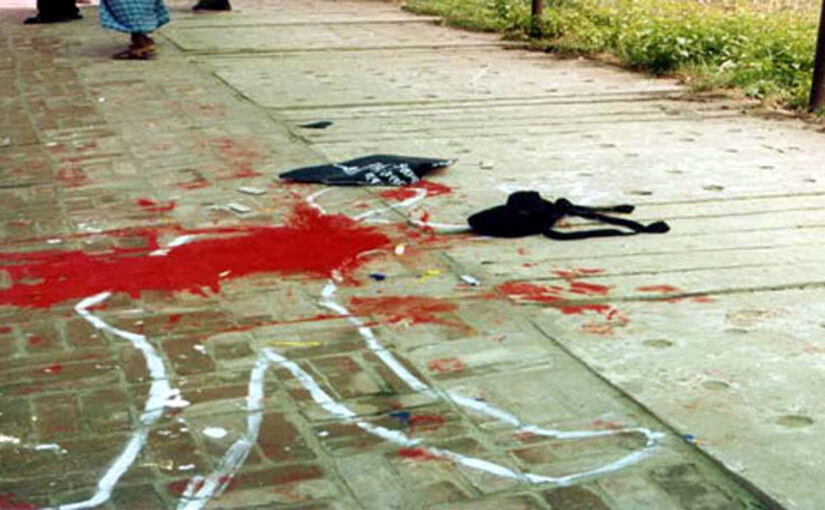
My project began with marking images of the tragedy on my way to the university and within the university grounds. I covered the front side of the building with a black cloth featuring a target sign and the date of the incident. I also marked the figure of a dead body on the ground of the university.

During the project, a student was head hit on the streets, which initiated a dialogue about the incident. People present at the scene observed the black cloth and the drawing. The situation quickly got out of control, and everyone had to escape the area. However, I then organized a gathering with the students in front of the university premises, and we reacted with a loud protest.

Despite the terrorist group attacking the protesters, the movement succeeded in drawing attention to the tragedy and encouraging a dialogue about the issue. Though the university authorities had to close down the university for three days due to the potential for further violence, I believe that this project was an important step in raising awareness and standing up against injustice.